AI Design , Graphic Design
Top Graphic Design Trends That Will Dominate in 2026
The year 2026 marks a time of extraordinary changes in the world of graphic design characterized by the blending of imagination, culture, and smart tools which not only transformed the whole process of visual production but also the way they are perceived.
Besides, designers mix-up human instincts with AI’s speed, quickly responding to consumer’s changing behaviors and getting used to a situation where the lifespan of a trend is counted in days rather than months. On the contrary, the design community is moving towards a more futuristic, all-encapsulating, and meaning-centered style, as tech grows smarter and the audience calls for more realness and daring creativity.
Let’s explore the top graphic design trends in 2026 that designers and brands should switch to, for staying adaptable in a trend-driven market
Top Graphic Design Trends Shaping 2026
1. Hybrid Intelligence: AI + Human:
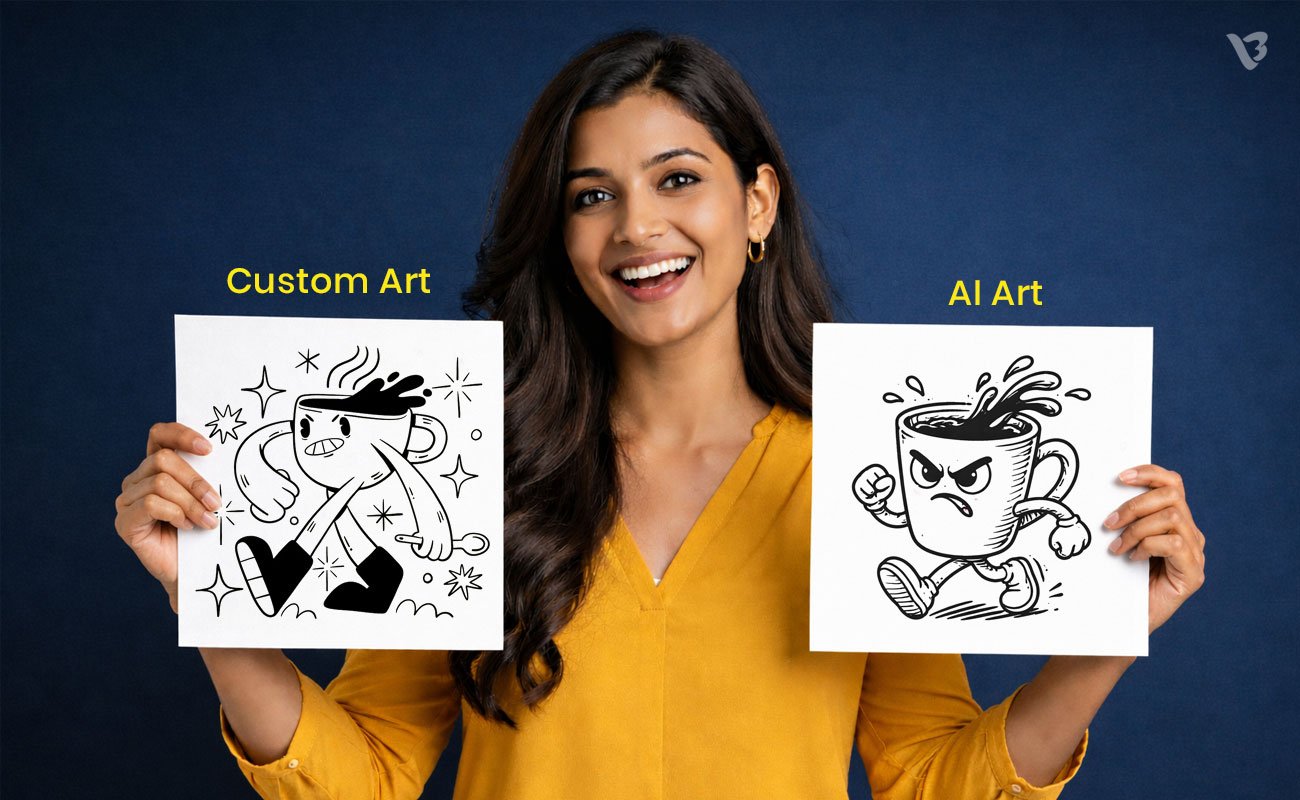
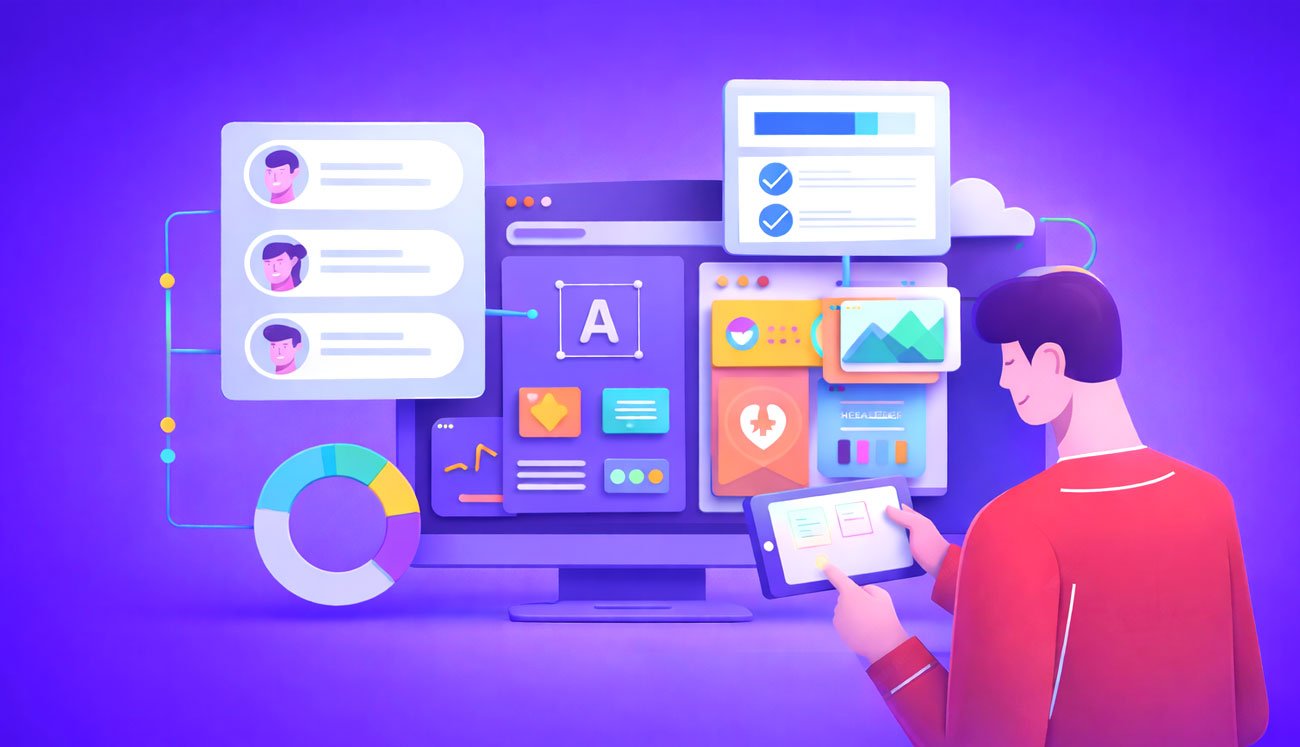
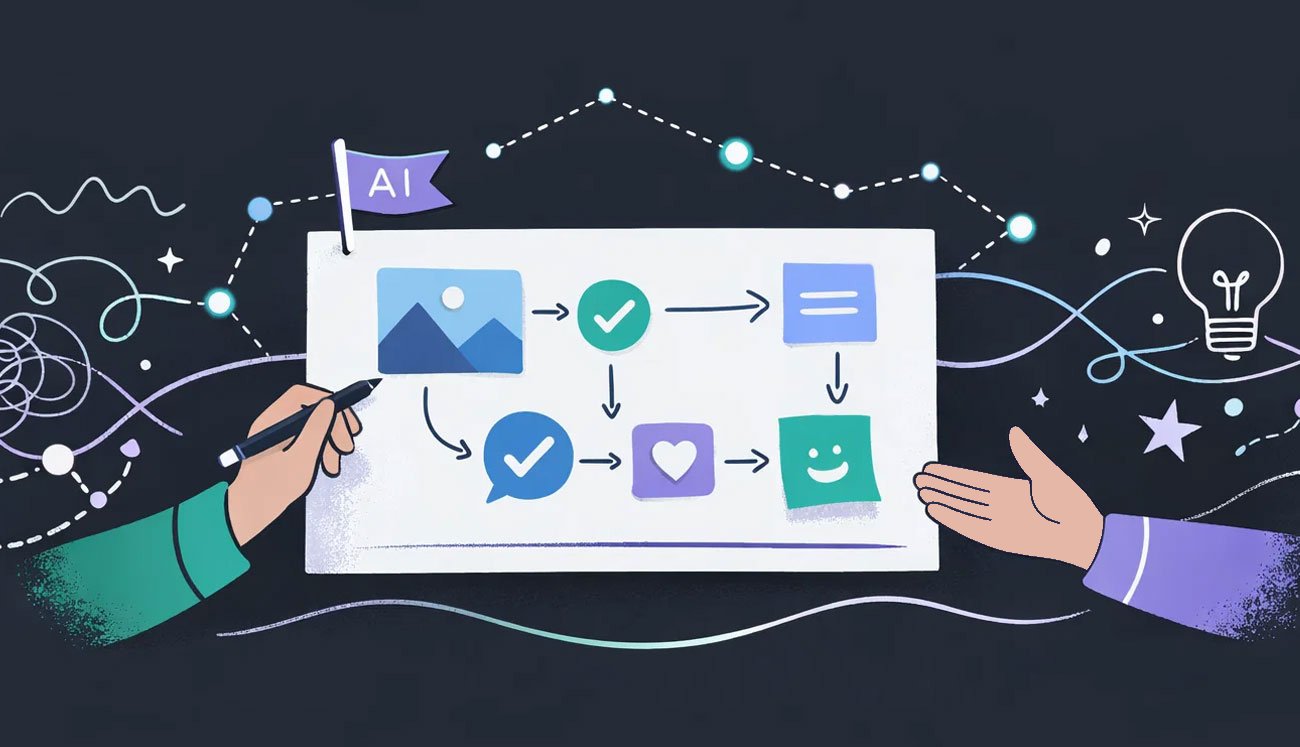
Human designers, through a combination of emotion and strategy, utilize the AI’s speed to produce sharper and smarter concepts. AI performs the initial work, while the humans provide the necessary context and creativity to finish the process.
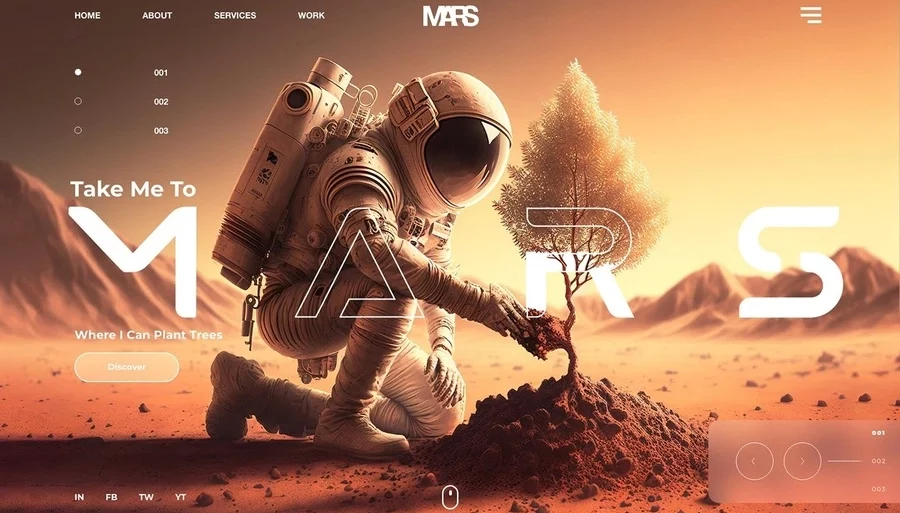
Source : https://www.behance.net/gallery/234500865/Mars-Studio-Web-Ui-Landing-Page-Design
2. Modular Layouts With a Twist:
The layouts are based on adaptable grids that disrupt the symmetry and contribute to a vibrant flow. The designers are making these variations for websites, dashboards, and brand systems that require character alongside clarity.
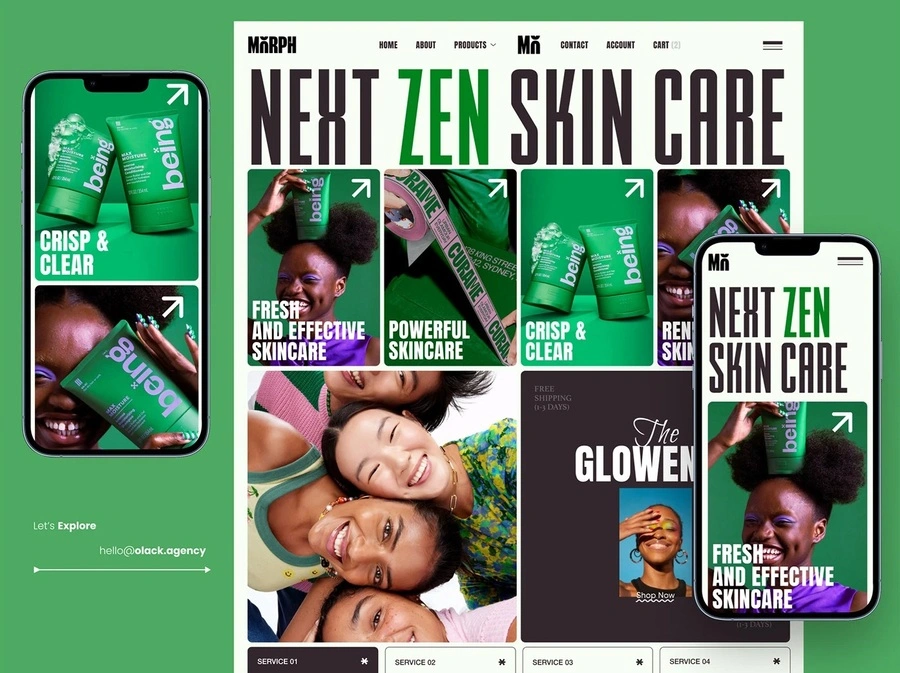
Source : https://www.behance.net/gallery/231252701/Skincare-E-commerce-Website-Landing-Page-Design
3. Bold 3D Forms That React:
Gentle three-dimensional forms and levitating components react to the user’s movement or interaction. This kind of reactive design makes the visuals seem like they are drawing the audience in and are ready for the future.
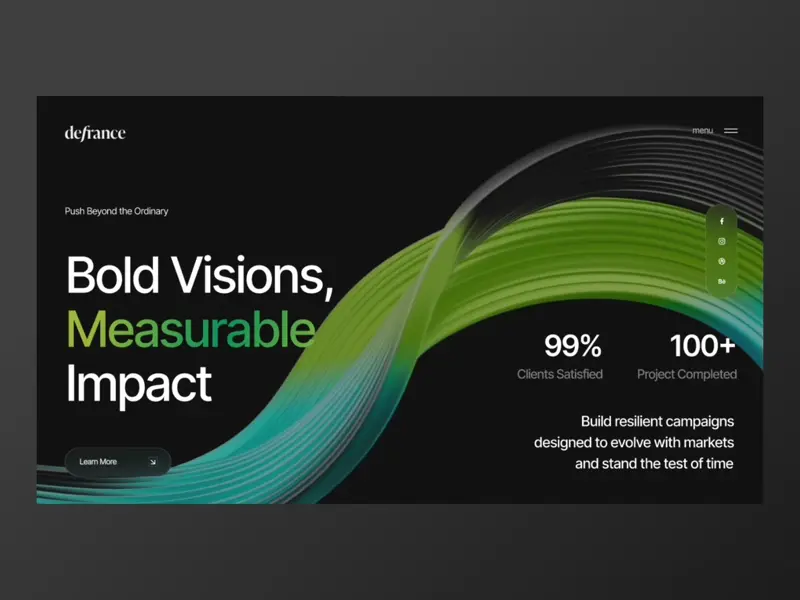
source: https://dribbble.com/shots/26523140-Defrance-Digital-Concept-Design-Exploration
4. Sci-Fi Futuristic Interfaces:
The designs incorporate holographic lines, neon touches, and simple HUD-like elements. Influenced by AR and VR, these interfaces are perfect for high-tech experiences.
5. Soft-Glow Gradients Everywhere:
Soft gradients with a diffused glow create sensitive, placatory backgrounds and sections of modern UI. These gradients add a luxurious futuristic feel to the design without overshadowing it.
6. Playful Scribbles & Doodles:
Loose sketches and hand-drawn marks give a warm, humorous, and real feel. They are used by designers as a counterbalance to the slickness of AI-rendered images.
7. No-Frills Typography:
Minimal, utilitarian type gets prominence and assists brands in communicating messages effectively. Justified spacing and organized hierarchy render visuals contemporary and legible.
8. Expressive Type:
Letters that are large, deformed, or elongated become a part of the visual. This method has an instantly eye-catching effect for advertising and creative brands.
9. Inclusive Imagery:
Images showing real people of different cultures, races, ages, and abilities are chosen by designers. This method not only shows trust and authenticity but also shows actual representation.
10. AI-Assisted Aesthetics:
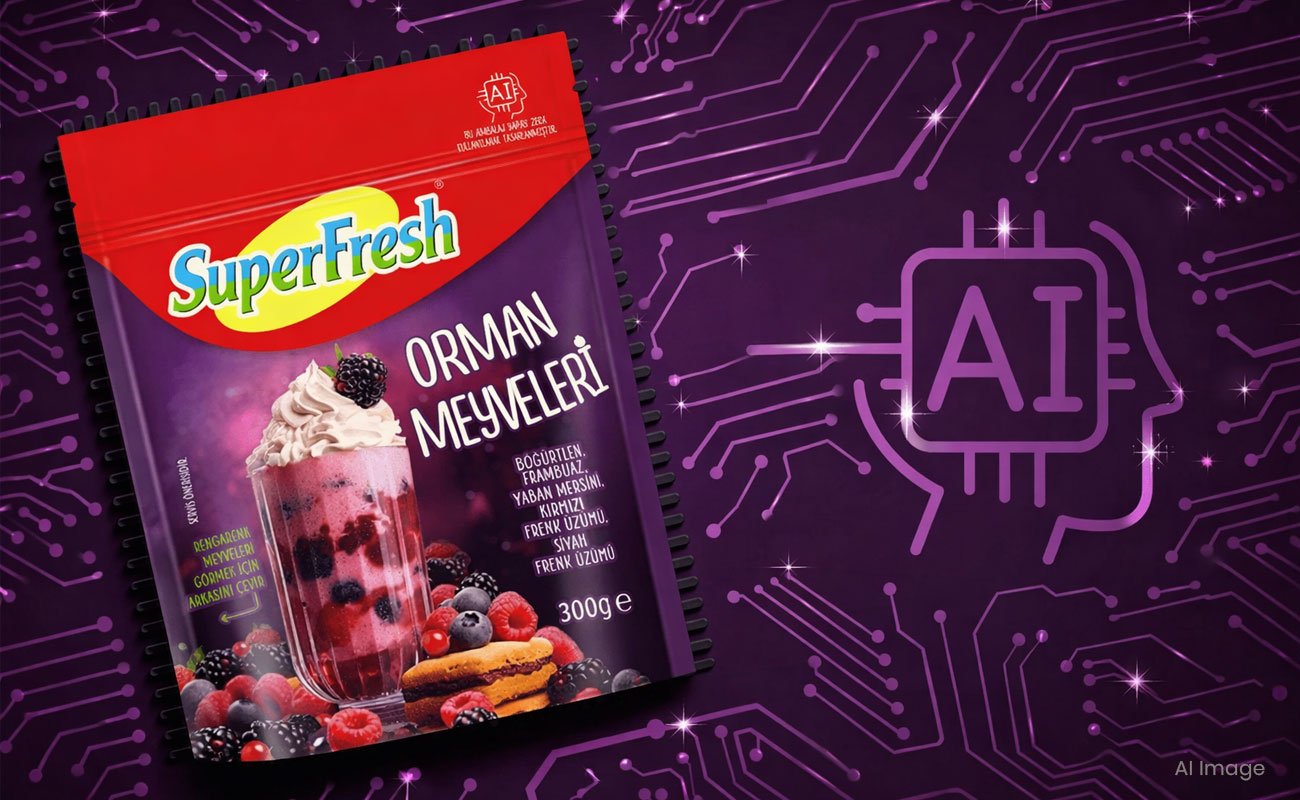
AI has indeed taken a toll on the non-existing worlds and vibrant colors. Eventually, human artists get back to the source of inspiration and give birth to new, strange, yet lovely combinations.
11. Futuristic & Cyber-Inspired Design:
The bright neon colors, shiny chrome, and pixelated surfaces are the main factors forming the audacious digital look. The trend is mainly found in technology, gaming, and online-first brands.
Why These Trends Are Emerging
Graphic Design trends of the year 2026 will be a result of the development of the global culture, technology, and human behavior. The designers are integrating the AI’s rapidity with human creativity, as the public demands for images that are smart, emotional, and quickly relatable to them. With the change in people’s masks, the brands are adopting the more open, communicative, and fresh looks.
1. Cultural changes transforming identity
- The customers are asking for an honest, wide, and true presentation.
- The companies are reacting with pictures that are opened and telling stories that are human-centred.
- The audience prefers pictures that show real life, not the idealised perfection.
2. The influence of Gen Z + Alpha
- They are all for boldness in trying out new things and are finding beauty in brokenness.
- The young ones want the use of expressive typography, doodles, and the layouts that break the rules.
- They are for uniqueness, honesty, and modernity in aesthetics.
3. Short-form visual culture (TikTok, Reels)
- The quick-scrolling feeds want the visuals that are understandable at first glance.
- The strong typography, gradients, and bold 3D forms quickly stand out.
- Trends move faster as the visual content is on the same speed as going viral.
4. Return of tactility and nostalgia in digital environments
- The hand-drawn scribbles and warm textures are the ones that are taking the shine off the digital overload.
- The nostalgic references are giving security in the extremely automated world.
- The artists are incorporating the feelings from the past along with the modern futuristic looks.
All these forces combined will direct the visual of 2026.
Tips for Designers & Brands to Adopt 2026 Trends
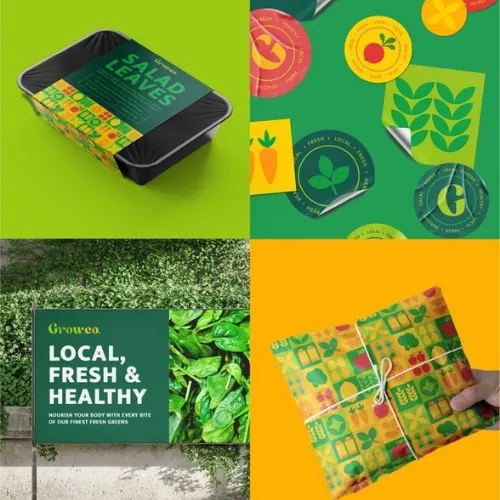
Source: https://in.pinterest.com
Even though design trends of 2026 can be thrilling, it is designers and brands that decide when and how to apply them. The main thing is to maintain a contemporary look while at the same time keeping your brand identity intact, and being clear and purposeful. These guidelines should be taken as advice for a successful use of trends while being free from visual noise.
1. Avoid being gimmicky
- Do not ride on a trend just because it is the latest fashion.
- Utilize it only when it is in line with your message or when it is the audience’s need.
- Check that the style suits your brand values.
2. Integrate trends thoughtfully
- Choose 1–2 trends that are your identity rather than using all at once.
- Incorporate them uniformly throughout digital and print resources.
- Always keep the emotional aspect of your brand and its voice as the core of every visual decision.
3. Balance with timeless design
- Keep strong fundamentals: hierarchy, spacing, contrast, readability.
- Consider using trends just as accents and not the entire basis.
- Keep the design functional, even if it has a futuristic look.
4. Experiment + Iterate
- Try out different versions and go for unexpected combinations.
- Make use of AI tools for quick prototyping but apply the final touch with human judgment.
- Take audience feedback, and alter your designs according to actual behavior.
By following these steps, brands will still be in the middle of the action in 2026 without being considered fake or artificial.
How Visual Best Adapts 2026 Design Trends to its Fullest
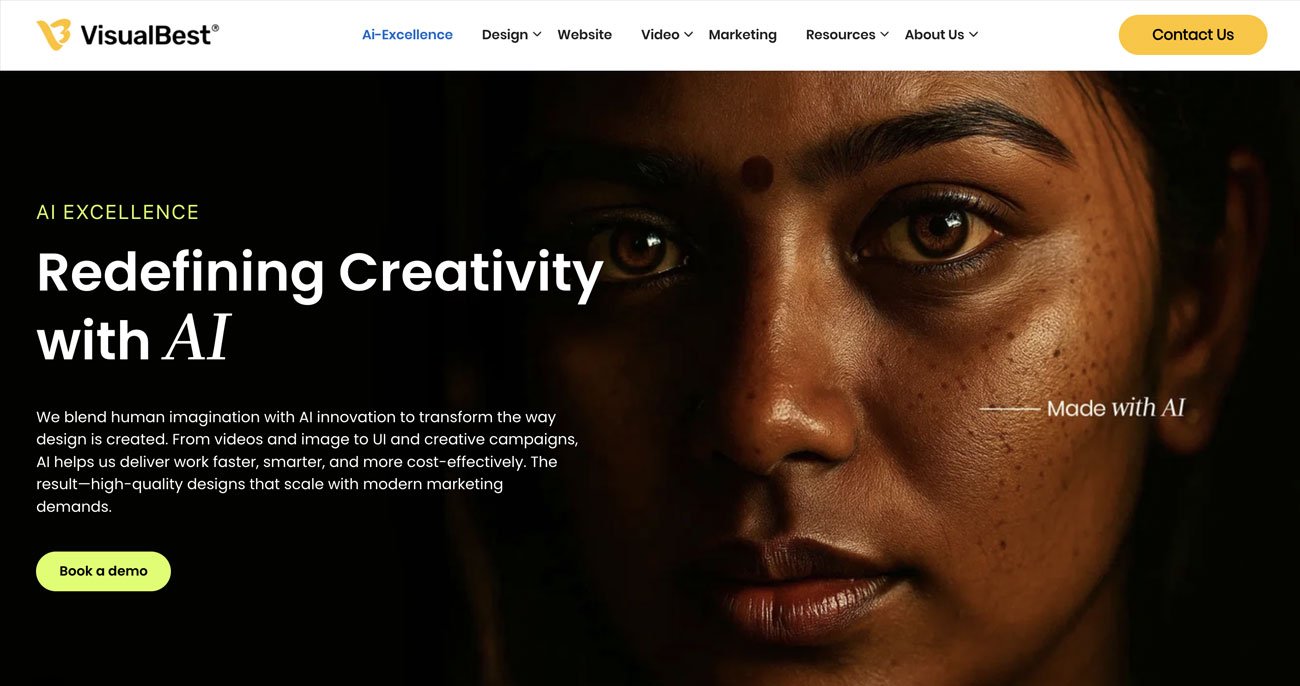
It’s not the trends we are going after necessarily, but the existing human qualities in the consumer and the brand through strategy. AI-enabled workflows, adaptive systems, minimal yet rich design, and motion styles ready for Future.
Visual Best is always there to assist such brands that want to be in the limelight and yet, stick to their original values. Our technique is the blend of the two; innovation and timelessness.
Our Core Services:
- Branding & Identity: The lighthouse of different logos that does not just work but also looks good on all the screens and at the same time be the same family logo.
- Motion & Video Design: The very animated and striking videos that explain the matter perfectly by representing it in a clear and smooth movement narrative.
- UI/UX Design: The user-friendly design of digital experience; the beautifully designed product interfaces combine clarity, accessibility, and visual delight.
- Content & Marketing Design: The design that is hard to resist for the campaigns; social media content created for quick changes and use across different platforms.
Conclusion
Graphic Design Trends in 2026 represent the rapid transformation of creativity and technology, thus making experimentation a must for every designer and brand. Staying adaptable is a great advantage as Graphic Design Trends keep changing across platforms and cultures. The future is for those who work in teams, that are open to new ideas, invest in smart tools, and continue refining their visual language while being rooted in a strong, timeless brand identity.
Frequently Asked Questions
1. How often should brands refresh their visual identity?
Minor changes every 1-2 years, and major updates every 3-5 years.
2. Is it necessary to implement all design fashions?
Not at all; pick up only those that are appropriate for your brand’s target audience, character, and long-term strategy.
3. In what way can AI help the design process?
AI reduces the time needed for exploration, ideation, and variations so that designers can quickly refine the best direction.
4. What’s the most risk-free way to embrace daring trends?
Go for it; make limited applications in campaigns or use micro-experiments before extensive rolling out.
5. How do trend cycles impact brand consistency?
Trends may be a great source of creative darkness but the elements of the brand’s core identity should still be stable.
6. In what way can brands remain flexible?
Create adaptable design systems and support occasional testing, iteration, and creative reviews.