Custom Art vs. AI Art : How Custom Art Drives Brand Recognition better than AI Generated Images
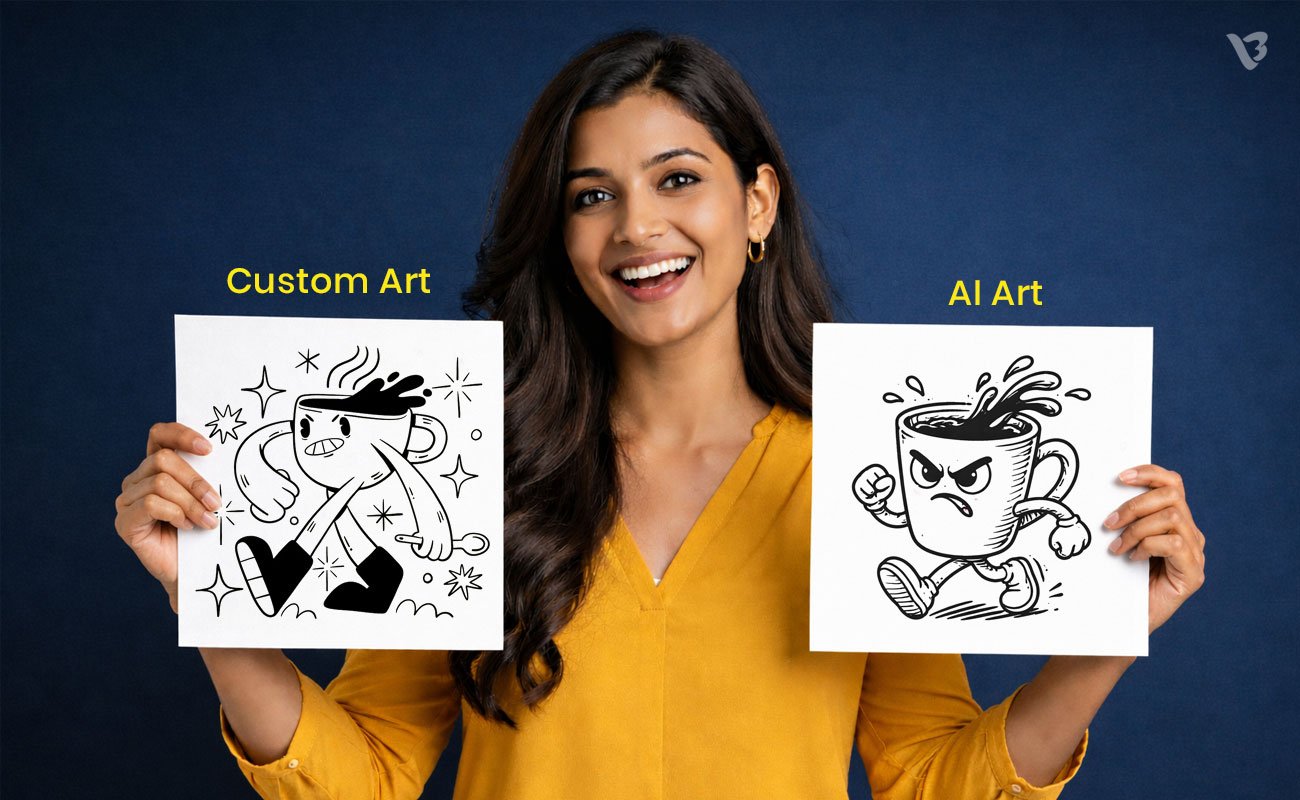
Imagine walking into a gallery where every painting was created by the same math equation. At first glance the colors are vibrant and the symmetry is perfect. But after the fifth frame you realize something is missing- the soul. In 2026, the digital marketplace has become that gallery, flooded with “perfect” visuals that feel strangely empty. We recently worked with a tech startup that replaced their hand-drawn brand assets with rapid-fire AI generations. On paper they saved thousands but in reality their brand recall dropped by nearly half because they started looking like a generic template of their own industry. This guide explores the high stakes tension of Custom Art vs. AI Art revealing why human crafted visuals are the only way to build a brand that people actually care about.
Custom Art in Branding – An Overview
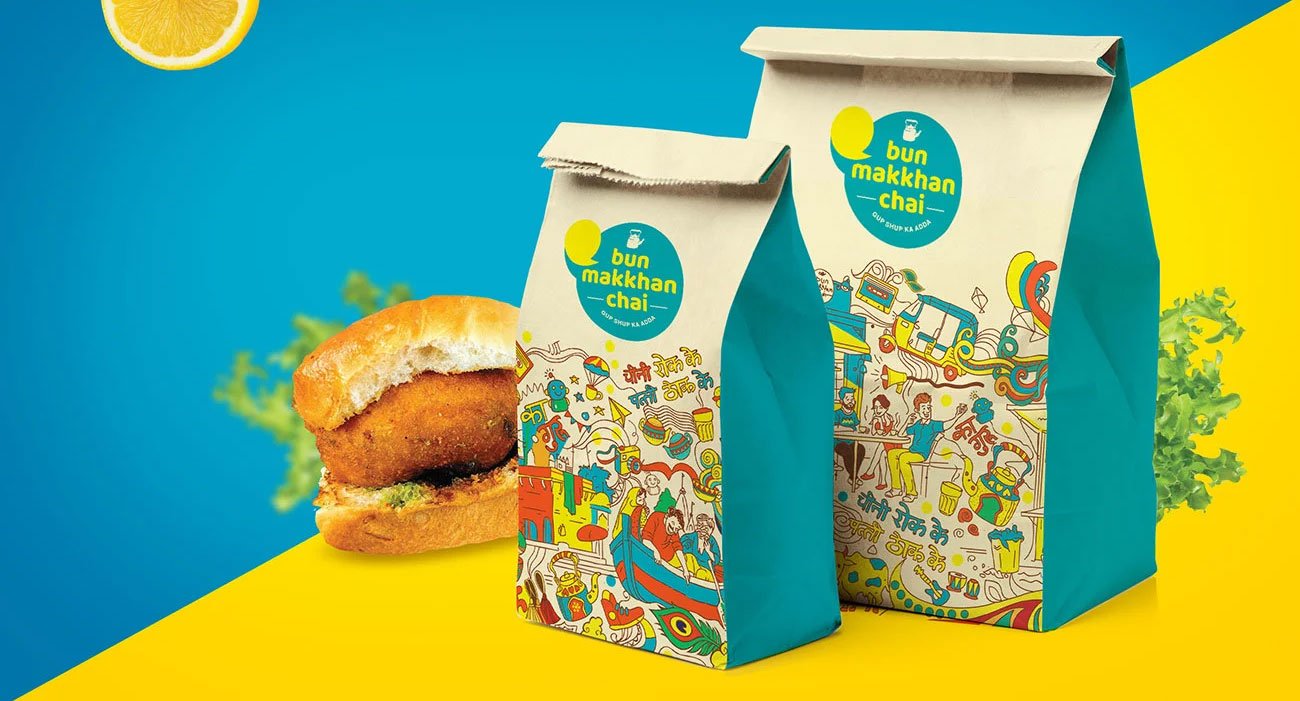
Custom art in branding Custom art can be defined as original, handcrafted visual material that is specially created to reflect the essence of identity and values of a company. These tailored graphics are simply constructed and designed to touch the emotions of a particular target segment of the market, unlike generic stock images or artificially averaged AI output. It is based on strategic human empathy, cultural sensitivity and accuracy in execution in order to create a unique, believable and legally defendable brand image.
- Handcrafted or artist-created visuals: These are images that are created out of human creativity and craftsmanship and provide a unique “soul” and intentional imperfection that algorithms are incapable of reproducing.
- Example- A watercolor design painted on by hand only on the packaging of a boutique organic tea company.
- Tailored to brand voice and positioning: Each color option, each texture, each line weight is carefully selected to convey a certain brand personality, be it playful, authoritative or luxurious.
- Example- A smooth line-art aesthetic that is minimalistic, created specially to look trustworthy and clarity to a financial company, of a high-end nature.
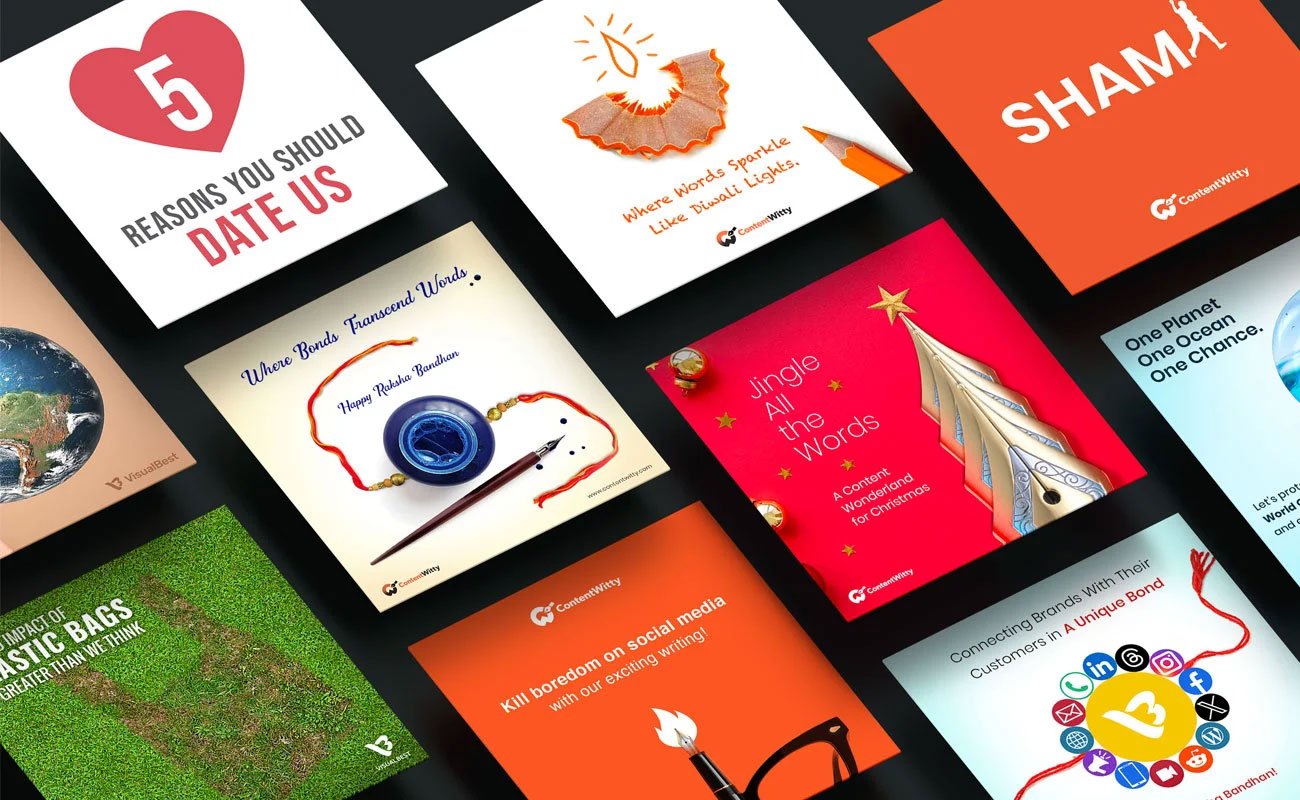
- Unique visual language: Custom art creates a visual proprietary code that functions as a sticker in all your marketing platforms.
- Example: Headspace has an unusually warm, rounded and colored character illustrations which make their application immediately identifiable..
Types of Custom Brand Art
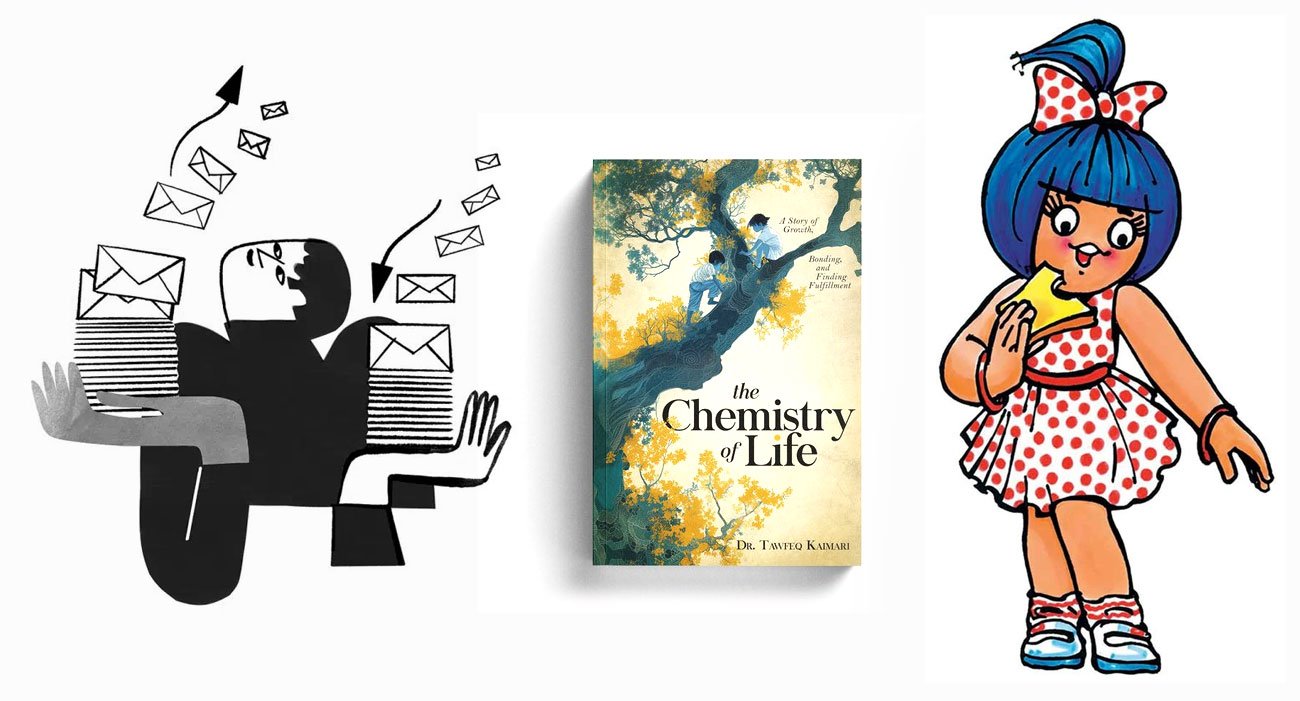
- Custom illustrations: Custom illustrations are custom-made illustrations used to demystify complicated concepts or give your material a personal touch and feel much more relatable and approachable.
- Brand mascots: An original personality, who acts as the face of your brand and creates a strong emotional attachment and customer loyalty, in the long-term
- Editorial graphics: Original images that are created to support blog content, white papers, or magazines that are used to provide a visual anchor of the written story and increase share levels significantly.
- Product storytelling visuals: Illustrations that are more than simple representations of what a product is; illustrations that are how a product fits into the life of the user and how it addresses the particular problem he or she has.
- Website hero artwork: This is the main, high-impact image that the visitor is met with at the top of a webpage immediately before landing on the webpage which instantly draws the visitor and introduces a specific emotional feel to the entire user experience.
- Cover Art- Whether for children’s storybooks, magazines or novels custom cover art captures the essence of a narrative. It also compels the audience to engage with the content inside.
- Graphic Novel Art- This involves high level sequential storytelling where custom characters and environments maintain consistency to guide the reader through a complex visual and emotional journey.
- Infographic Illustrations- Custom designed icons and data visualizations transform dry statistics into engaging stories. Making information easy to digest and much more likely to be remembered by the audience.
- For UI Interface- Buttons and onboard graphics with custom design enhance the user interface. Ensuring the digital experience feels premium and perfectly aligned with the brand’s identity.
AI-Generated Art in Branding – An Overview
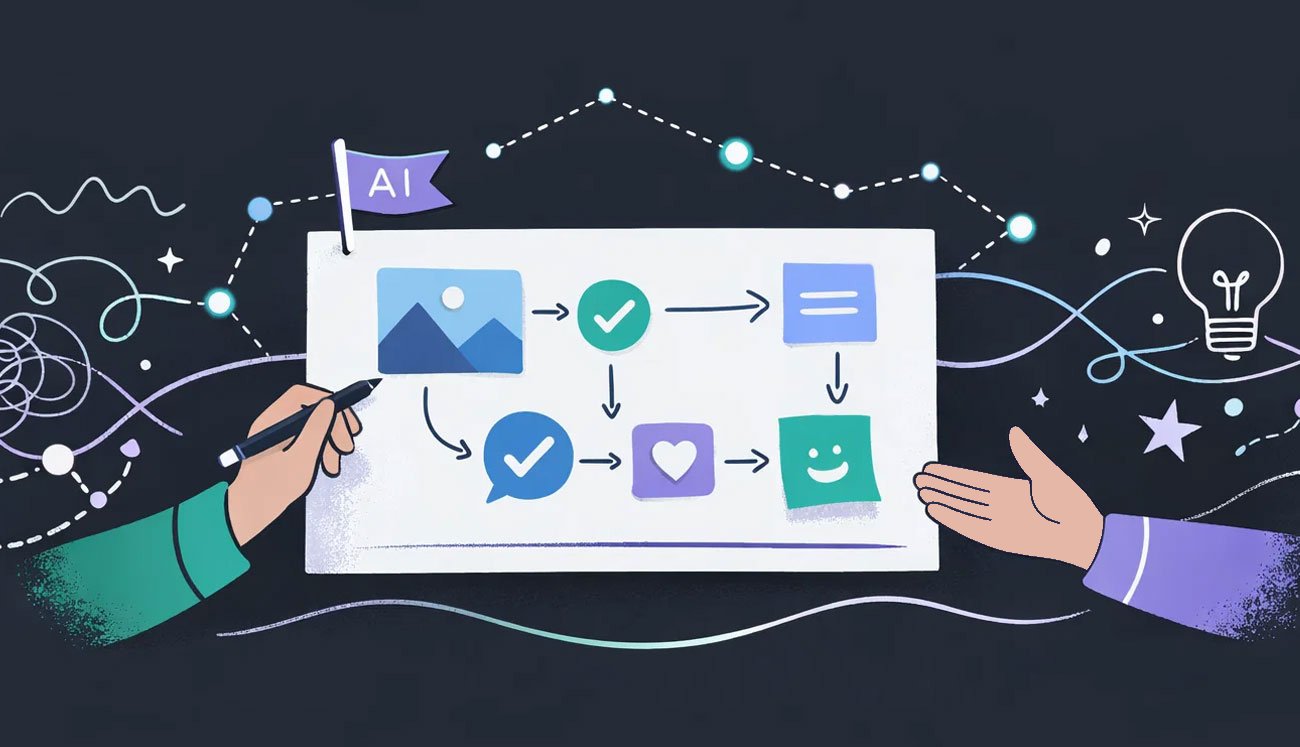
AI art in branding refers to the use of machine learning algorithms to generate visual assets like logos and social media graphics instantly. In 2026 it serves as a high speed digital assistant that allows marketing teams to visualize complex ideas without waiting for manual sketches. While it offers unprecedented scale, it operates primarily as a tool for efficiency rather than a source of original brand strategy.
How AI Image Generators Work
- Prompt-based image creation: Users input descriptive text strings which the AI translates into pixels by matching keywords to visual concepts it learned during its initial training.
- Trained on massive datasets: These models ingest billions of existing images to understand styles and lighting, effectively “remixing” the internet’s collective portfolio into new variations.
- Pattern-based output: Instead of true creativity, the AI uses mathematical probability to predict which pixels should go together based on established visual patterns and common data trends.
Custom Art vs. AI Art – A Side-by-Side Comparison
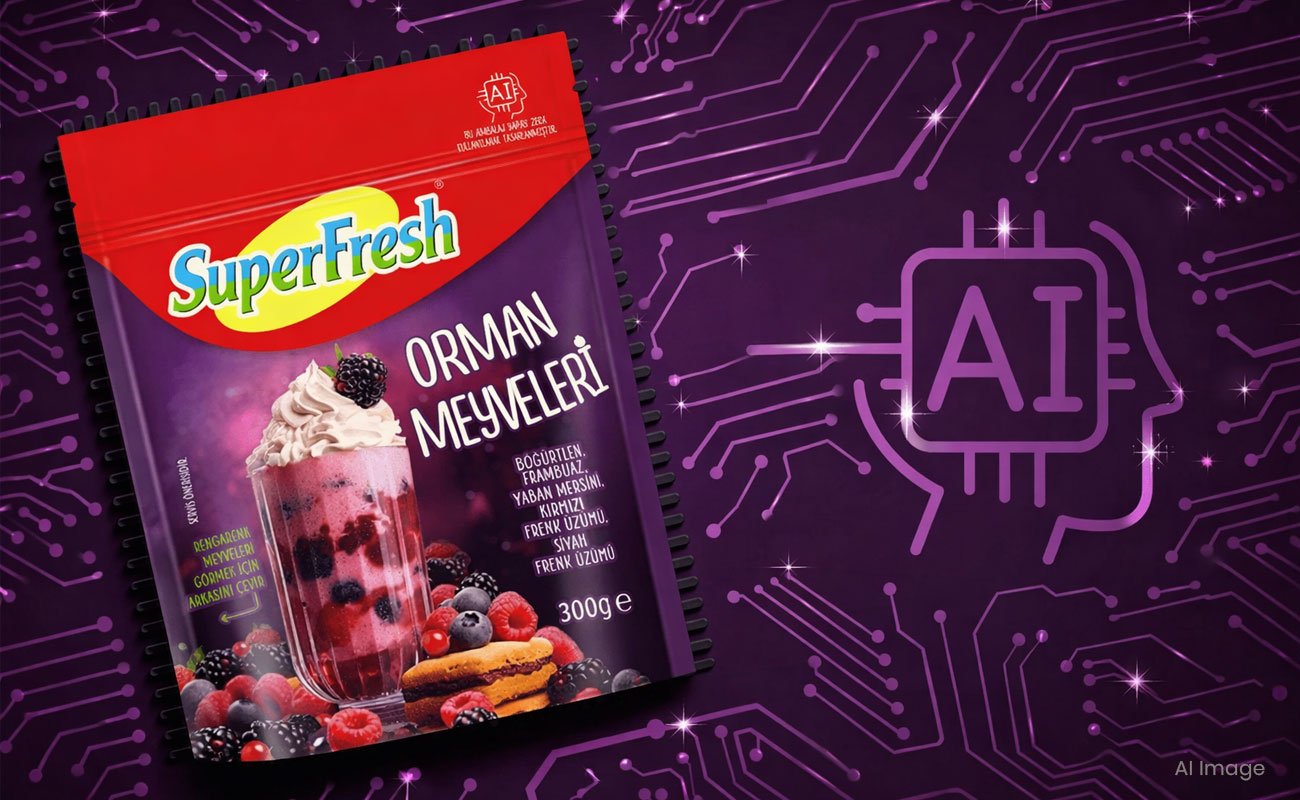
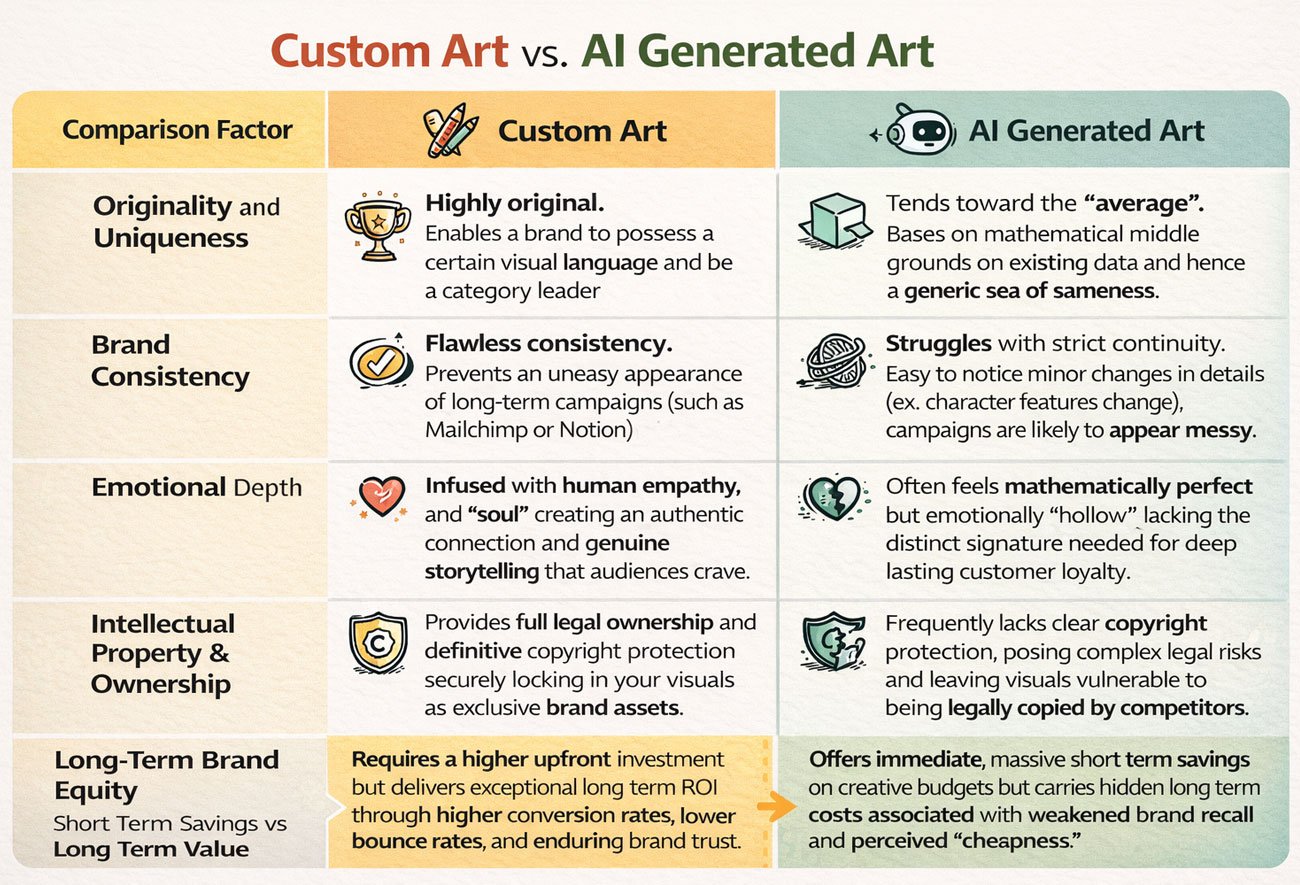
In the current landscape, the ease of generating AI-generated images vs. custom graphics has created a “sea of sameness.” AI tools work by predicting the most “average” version of an image based on existing data. This is the opposite of branding, which is about being unique. When you ask a machine to “make something professional,” it looks at a billion other professional images and gives you the mathematical middle ground.
Custom art allows a brand to own a specific visual language. Think of the unique illustrations used by brands like Mailchimp or Notion. You recognize them before you even see the logo. AI often struggles with “character consistency” making it difficult to maintain a unified look across a 12 month campaign. If your character’s nose changes shape in every Instagram post your brand looks disorganized. When your visuals look like everyone else’s your brand becomes a commodity rather than a category leader.
When You Should Choose a Human Artist
Human artists remain the true architects of brand “soul” bringing lived experience and strategic empathy that no algorithm can currently replicate. You should invest in a human creator when the goal isn’t just to produce an image but to build a lasting emotional connection with a specific audience. A human artist understands the cultural “why” behind a design, ensuring your visuals resonate on a deeper, more meaningful level.
Where Human Creativity Shines
- Brand-Defining Work- Use humans for core assets like logos and primary identity systems for example the iconic “imperfect” hand drawn Hermès illustrations create a luxury feel AI cannot mimic.
- Public-Facing Art and Murals- Physical spaces require a human touch to account for local community context and textures, creating a “place-making” effect that feels authentic and grounded.
- Projects Needing Iteration and Dialogue- Complex campaigns require a creative partner who can pivot based on feedback and debate the strategic intent of a specific color or line.
- Unique Style and Originality- To create a “visual moat” that competitors can’t copy with a prompt you need a human to invent a custom style that breaks the mold and defines a new category.
The Hidden Risks of Relying Only on AI Art
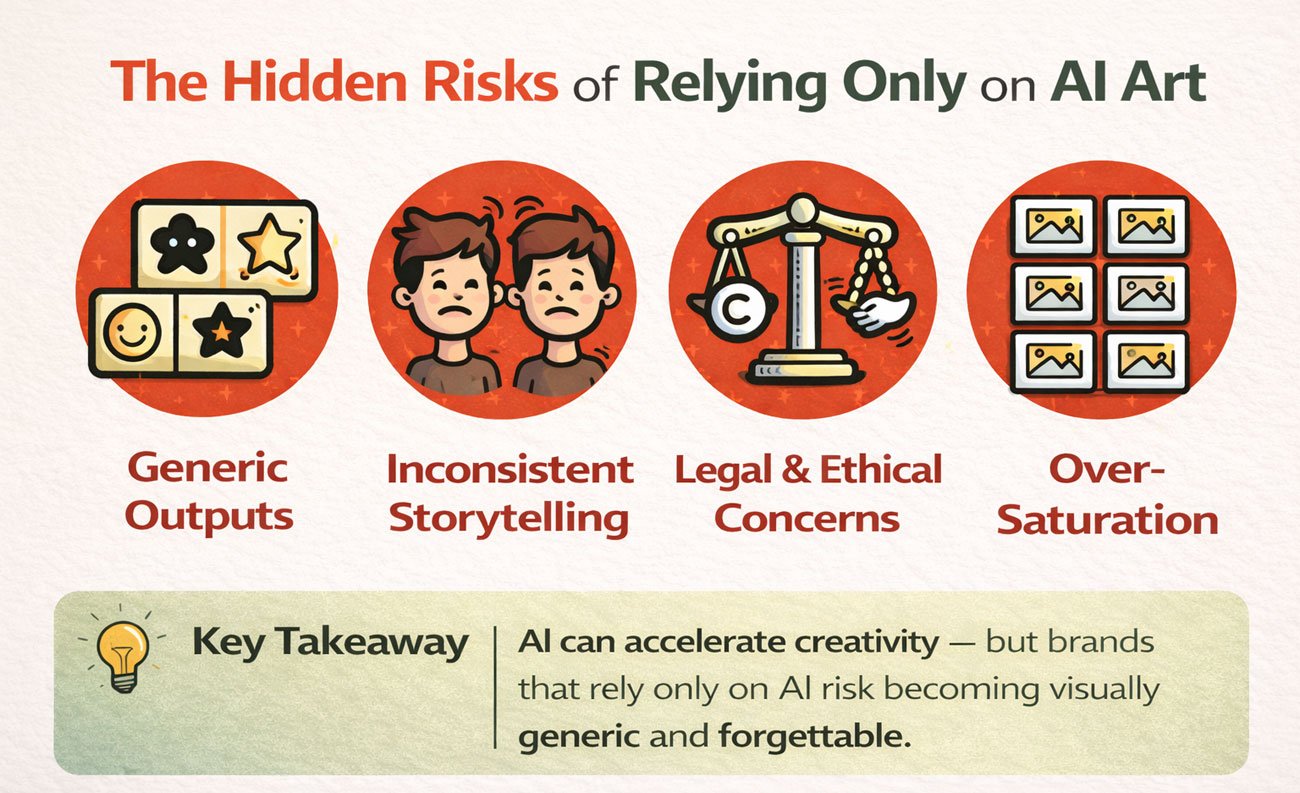
Relying exclusively on AI creates a “hollow” brand presence that lacks the distinct emotional signature necessary for long term customer loyalty and trust. Without human oversight a brand’s visual identity can quickly become a collage of generic trends that fails to communicate its unique core values. In 2026 savvy consumers can easily spot “AI slop” which often leads to a decline in brand perceived authenticity.
Critical Drawbacks
- Generic outputs- AI gravitates toward the mathematical average resulting in cookie cutter designs that look nearly identical to every other brand using the same prompts and tools.
- Inconsistent visual storytelling- Generators struggle to maintain character or style consistency across different frames often changing subtle details that break a brand’s overall narrative flow and recognition.
- Legal and ethical concerns- AI generated images often lack copyright protection meaning competitors can legally copy your visuals, while the training data sources remain a point of ethical controversy.
- Over-saturation- As millions of AI images are created daily the “AI aesthetic” is becoming a commodity that fails to capture attention on a crowded shelf or digital feed.
Why Brands Are Using AI Art
Modern brands leverage AI to stay competitive in a 24/7 digital economy. Where the demand for fresh content often outpaces human production limits. It enables companies to move from a single “hero” image to hundreds of localized variations in a fraction of the time. This technology has democratized high fidelity design allowing even small startups to present a polished professional image on a limited budget.
Key Drivers of Adoption
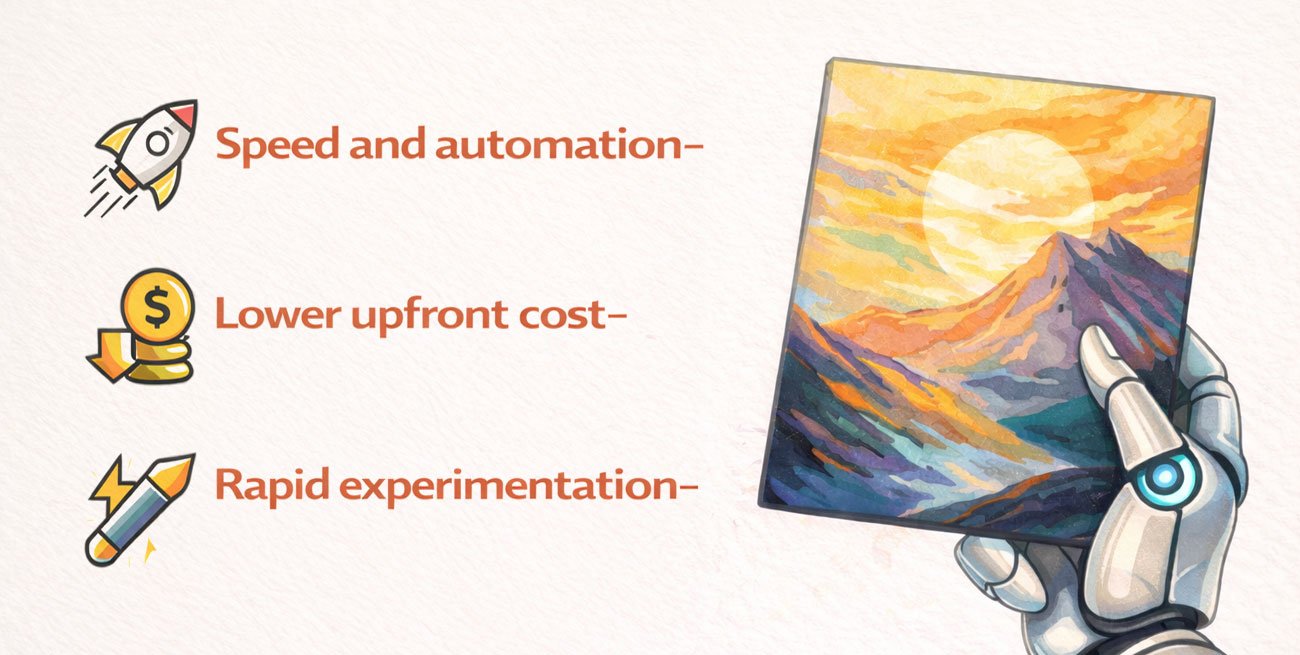
- Speed and automation- AI can generate dozens of high-quality iterations in seconds allowing teams to launch daily social campaigns or A/B test visuals in real time without delays.
- Lower upfront cost- By reducing the need for expensive photoshoots and lengthy revision cycles brands can slash their creative production budgets and reallocate funds to distribution.
- Rapid experimentation- Designers can use AI to “fail fast” by exploring wild concepts and avant garde styles before committing human hours to a final refined and strategic direction.
Why Custom Art Drives Stronger Brand Recognition
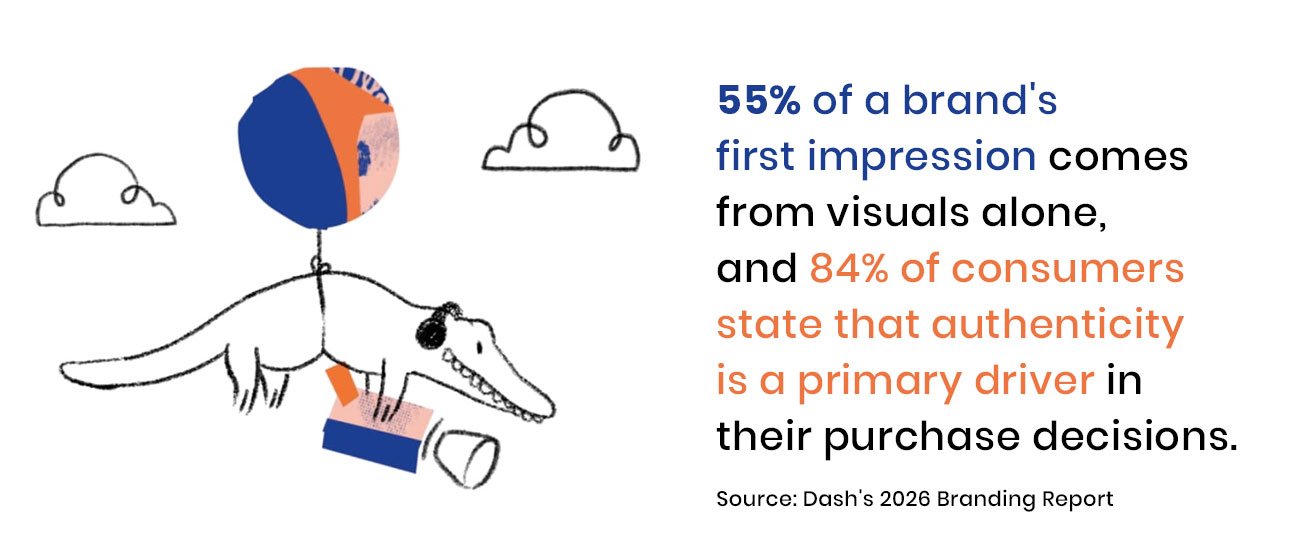
Brand recognition isn’t just about being seen, it is about being remembered. Custom art drives better recall because it is built on intention not just probability. Humans are wired to detect “uncanny valley” effects in AI. Custom art captures subtle human expressions and cultural context that AI still misses.
- Strategic Alignment- Every stroke in a custom graphic is designed to support a specific business goal. AI generates “cool” images but custom artists build “effective” ones.
- Ownership and IP- Custom art gives you full legal ownership. As of 2026 the legal landscape for AI art ownership remains complex posing a risk to long-term brand assets.
- Consistency Across Touchpoints- A human artist can ensure that a logo on a billboard matches the style of a tiny icon in a mobile app. AI frequently deviates from these strict style guides.
The Technical Limitations: Why AI Can’t Finish the Job
If you have ever tried to put specific text into an AI image you know the frustration. Even in 2026 AI still struggles with complex typography and specific brand colors (HEX codes). A brand’s blue isn’t just “blue” it is a specific identity marker. AI often shifts these colors to fit the “aesthetic” of the generated image which dilutes your brand equity.
Custom graphics allow for pixel-perfect precision. Whether you need to fit a design into a specific physical packaging die-line or ensure your typography is accessible to all users, custom art is the only way to ensure technical compliance. AI is a great “starter,” but it is a terrible “finisher.” Without human refinement, AI-generated images vs. custom graphics will always result in a loss of professional polish.
The High Cost of “Cheap” Visuals
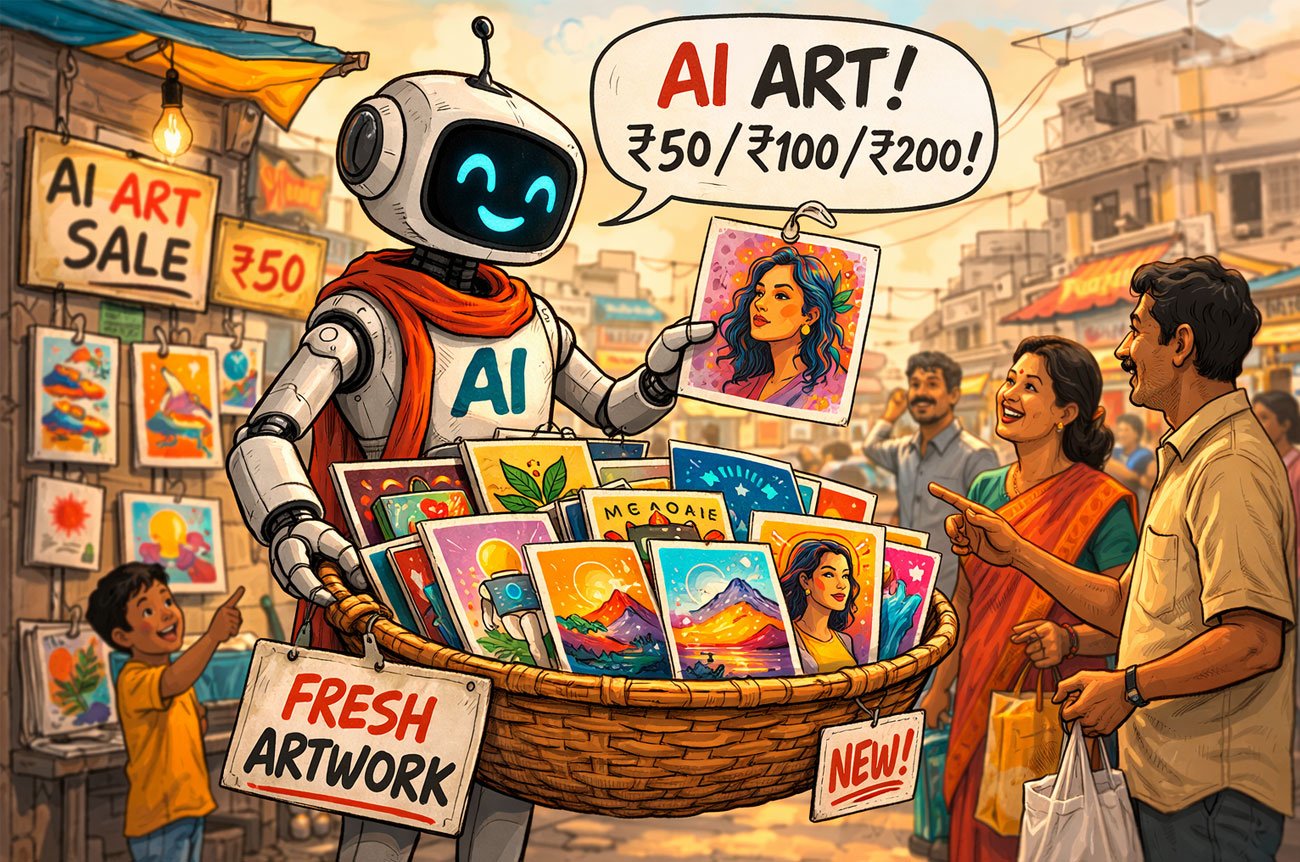
Choosing AI-generated images vs. custom graphics based solely on price is a common trap. While an AI subscription is cheaper than a design agency, the long-term cost of a weak brand is much higher.
- Diluted Authority: If your whitepaper or pitch deck looks like it was made with a $20 prompt, investors will wonder if your product is also “automated.”
- Bounce Rates: High-quality, consistent UX design leads to a 28% reduction in bounce rates. Generic visuals often lead to immediate exits.
- The “Commodity” Trap: If you look like everyone else, the only way to compete is on price. Custom art allows you to compete on value and “vibe,” which supports higher margins.
As noted by McKinsey & Company, the challenge in 2026 isn’t just capturing attention—it is transforming that attention into trust.
Your Brand Needs a Human Touch – Visual Best Can Help
At Visual Best we specialize in the intersection of high-end custom art and intelligent design strategy. We understand that while AI can create a picture it takes a human to create a brand. Our team uses AI as a force multiplier to speed up our research and ideation but our final deliverables are always handcrafted to ensure your brand stands out in a crowded market.
We don’t just give you an image; we give you a visual system that works across web and social media. We focus on creating visuals that don’t just “look good” but perform driving 3.5x higher revenue growth potential by aligning your brand experience with your customer’s needs. Whether you need custom illustrations or a complete brand overhaul we provide the human craft that AI simply cannot replicate. Let us help you break out of the “sea of sameness.